
Boosting consultant engagement is a management skill that works wonders for increasing profit. Engaged consultants feel more motivated, which doubles organisational success odds and raises operating income by 19%. Who wouldn't love a bit of that? Effective hiring and onboarding practices are the secret ingredients ensuring consultants not only fit in like a puzzle piece but stick around too. Open communications and strong leadership can transform a company's culture, empowering teams while fostering a positive vibe and resilience against future challenges. Financial savvy and clear client management further sweeten the deal. Curious about how to fully harness these strategies?
Key Points
- Foster open communication channels to enhance dialogue, feedback, and employee empowerment, directly boosting engagement and profit.
- Implement structured hiring and onboarding practices focused on cultural fit to ensure long-term consultant retention and productivity.
- Develop leadership skills that inspire and motivate, positively influencing organisational culture and consultant behaviour for increased profitability.
- Utilise financial literacy to align strategic goals with client needs, improving service delivery and cash flow management.
- Regularly assess and evolve engagement strategies to meet consultant needs, maintaining high morale and minimising the need for constant supervision.
Importance of Engagement
Employee engagement is a vital factor in organisational success, as evidenced by various research findings. Gallup research highlights that engaged employees can double an organisation's odds of success, turning mundane workdays into vibrant success stories.
Towers Perrin reports that companies with highly engaged employees see a 19% increase in operating income, which is like finding a golden ticket in your company's financial reports. This isn't just about numbers; it's about creating a workplace where people feel motivated and connected.
A culture of engagement acts as a positive cycle, nurturing success and motivation. It requires ongoing effort and communication—think of it as a relationship that thrives on regular check-ins and heartfelt acknowledgements.
Without such engagement, the workplace can become a gloomy fog of communication issues and low morale, dragging the entire organisational health down with it.
To foster employee engagement, consistent dialogue and recognition are essential. Imagine the workplace as a garden; regular watering and sunlight (or in this case, dialogue and recognition) keep it flourishing.
Effective Hiring Practices
To achieve a thriving organisational culture, effective hiring practices serve as the foundational step, ensuring that new employees align with both the company's values and operational goals. Prioritising candidates with the right attitude and cultural fit is essential for fostering long-term engagement and retention. After all, a mismatch can be as awkward as wearing socks over sandals—costly and uncomfortable.
Rushing the hiring process is like trying to bake a cake at double speed; it often results in a flop. Allocating the necessary time and resources to thoroughly evaluate candidates increases the chances of securing a perfect fit. Once on board, a structured induction programme, complete with extensive training and support, can greatly enhance new hires' engagement and productivity. Tailoring onboarding experiences for newer generations, like Gen Y, ensures they feel valued and connected to the organisation's mission and culture.
| Onboarding Element | Purpose |
|---|---|
| Extensive Training | Boosts Productivity |
| Support Systems | Enhances Engagement |
| Tailored Experiences | Resonates with Gen Y |
| Milestones and Outcomes | Monitors Progress and Commitment |
Establishing relevant milestones and training outcomes during onboarding not only monitors new hire progress but also reinforces their commitment to the organisation.
Cultivating Team Engagement
To truly boost consultant engagement, it's essential to maintain open communication channels that don't just relay information but invite dialogue and connection.
Think of it as setting the stage for a supportive work environment where everyone feels like their ideas and contributions are valued—because, let's be honest, who doesn't enjoy a good chat that makes them feel appreciated?
Open Communication Channels
How can organisations effectively cultivate team engagement? One key approach is to maintain open communication channels, which foster dialogue and feedback. These are essential for engaging team members and boosting morale.
Imagine communication as the lifeline of your organisation; without it, things can go downhill faster than a rolling office chair on a slick floor. Prioritising time for regular one-on-one meetings between managers and employees is fundamental. These meetings allow for personalised communication, helping to address any disengagement issues before they grow into bigger problems.
Organisations boasting strong communication practices often see a notable 19% increase in operating income. Clear, consistent messaging from leadership about company goals and expectations enhances transparency, boosting trust and engagement. It's like having the GPS calibrated for your destination—everyone knows where they're headed.
Moreover, actively seeking input from employees on achieving company objectives empowers them, creating a participative culture that strengthens team dynamics. When employees feel their voices matter, they are more likely to contribute enthusiastically.
Imagine a team where everyone feels like a significant piece of the puzzle. Through open communication, organisations can achieve this, turning the workplace into a thriving, engaged community.
Supportive Work Environment
A supportive work environment is essential for cultivating team engagement and fostering organisational success. It's like the secret sauce that makes everything better. When team members feel valued, they become 19% more productive, which is a win-win for everyone involved.
Open communication channels play an important role here, allowing employees to voice their thoughts and feedback, which helps nip disengagement in the bud. This not only promotes a culture of inclusion but also makes the workplace feel more like a community.
Recognising and appreciating team contributions is another key ingredient. It boosts morale and motivation, leading to lower turnover rates and higher productivity. Regular assessments of engagement strategies guarantee that the supportive environment remains robust and adaptable.
This is where professional services automation tools can come in handy, streamlining processes and freeing up time for meaningful engagement activities.
Moreover, encouraging employees to contribute ideas for company goals empowers them and creates a sense of ownership. This kind of involvement not only enhances engagement but also fosters a deeper commitment to the organisation.
In the end, a supportive work environment is not just about warm fuzzies; it's a strategic approach to business success.
Engaged Team Characteristics
Engaged team dynamics are built upon a foundation of clear, communicated vision that resonates with all members, fostering alignment and purpose in their work. Engaged teams thrive when everyone knows exactly what the goals are and why they matter. This clarity acts as a compass, guiding them in the right direction and guaranteeing that every action contributes to the bigger picture.
It's like having a GPS for success—without the annoying recalculating.
Regular training and development opportunities keep the energy high. By constantly learning and growing, team members remain motivated and skilled, ready to tackle whatever challenges come their way.
Coupled with consistent feedback, they can adjust their course with precision, much like a well-oiled machine.
A positive work environment, where productivity meets enjoyment, creates a space where employees actually want to be. When work feels less like a chore and more like a passion project, performance naturally improves, and turnover decreases.
Recognition and appreciation are the cherry on top. When team members feel valued, they're inspired to excel.
Plus, regularly evaluating engagement strategies guarantees that the team stays on the cutting edge, continuously evolving and maintaining high morale.
Resources for Improvement
In the quest for consultant engagement improvement, firms can leverage free action plans that offer proven strategies to quickly enhance practices, making the journey as smooth as a well-oiled machine.
Insider guides and email subscriptions provide ongoing insights, helping businesses stay ahead of the curve with the latest trends and techniques—because nobody wants to be the last to hear about the next big thing.
With resources that keep your team motivated without constant supervision, it's like having a secret weapon in your back pocket to maximise productivity and profitability, all while knowing you can opt-out if it ever gets too overwhelming.
Proven Engagement Strategies
Organisations aiming to enhance employee engagement should prioritise implementing proven engagement strategies that have demonstrated substantial impact on success rates. According to Gallup, companies with high engagement levels are twice as likely to succeed. This statistic alone might make you want to jump on the engagement bandwagon, and rightfully so!
Access to free action plans and insider guides is like having a secret map to employee happiness, offering actionable insights that can build engaged teams and boost profitability.
Regular assessment and refinement of these strategies guarantee they evolve with changing employee needs, maintaining high morale. It's like fine-tuning a musical instrument—when done right, the harmony is unbeatable.
Training programmes tailored to new hires can turn the often-daunting onboarding process into a welcoming experience, fostering engagement from day one and contributing to long-term retention.
Encouraging open communication and feedback mechanisms is another ace in the hole. When employees feel valued and involved, they become more invested in the organisation's success.
This sense of inclusion can transform a workplace into a thriving community, where everyone is rowing in the same direction. Who knew boosting engagement could feel so rewarding?
Ongoing Insight Opportunities
To further enhance the strategies that foster consultant engagement, tapping into ongoing insight opportunities is imperative. Accessing free action plans with proven strategies can greatly boost engagement and performance, much like discovering a wellspring of inspiration.
These resources not only streamline operations but also help maintain a positive cash flow, as engaged consultants tend to be more productive and efficient, reducing unnecessary costs.
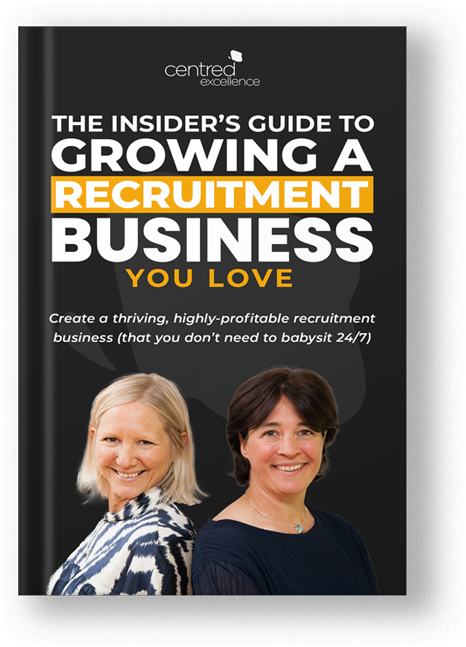
Insider guides for building profitable recruitment businesses highlight the importance of engaged teams, akin to having a secret recipe for success. Regular email communications offer a continuous stream of insights into best practices and trends, ensuring consultants remain in the loop and ahead of the curve.
It's like having a trusty adviser whispering valuable tips and tricks right into your inbox, minus the cloak and dagger.
Moreover, providing tips on keeping teams motivated without constant supervision empowers consultants to reach peak productivity, fostering a sense of autonomy.
The option to opt-out of these communications guarantees that consultants can manage their engagement effectively, preventing information overload. This balance between receiving insights and maintaining autonomy can create a more harmonious and productive work environment, ultimately leading to increased profits.
Financial Acumen for Profit
Financial acumen serves as the cornerstone for consultants aiming to drive profitability within their firms. By mastering financial goals, consultants can creatively contribute to strategic planning and decision-making. Understanding financial statements and cash flow is vital; without these skills, consultants might as well be driving blindfolded.
To truly excel, it's important to comprehend the nuances of profitability and how customer engagement impacts cash flow.
Here's a handy list to guide consultants towards financial success:
- Financial Literacy: Equip yourself with the ability to interpret financial statements. This empowers you to align consulting strategies with financial goals efficiently.
- Customer Engagement: Measure and analyse customer interactions. This not only improves service but directly influences cash flow and profitability, turning happy clients into loyal patrons.
- Marketing Principles: Integrate basic marketing tactics to enhance presentation quality, aligning work standards with pricing, and justifying premium fees. It's like dressing your service in its Sunday best!
- Post-Mortems: Regularly conduct post-mortem analyses on pricing models. By examining resource costs and benefits, you can optimise financial outcomes and guarantee a healthy bottom line.
Client Management Strategies
Effective client management strategies are essential for consultants seeking to enhance client satisfaction and retention. These strategies start with clear communication, which minimises ambiguity regarding project scope. By ensuring everyone is on the same page, consultants can boost satisfaction and keep clients coming back for more.
Trust us, over-communication isn't just a buzzword—it's a lifeline in this business. Regularly updating clients on how fees stack up against estimates is a simple yet powerful way to build trust and avoid those awkward billing disputes. After all, nobody enjoys surprises when it comes to invoices.
Now, let's talk about getting to know your clients. Analysing the existing customer base helps consultants identify the most profitable segments, allowing for targeted strategies that can efficiently boost revenue. Profiling clients isn't just for crime dramas; it's a smart way to align services with market demands.
This approach creates opportunities for better engagement and service differentiation, putting your consultancy a step ahead. Incorporating these client management strategies not only improves satisfaction but also enhances operational efficiency, making your consultancy more streamlined and effective.
Plus, it gives you more time to focus on what really matters—delivering great results.
Structure and Time Management
A well-structured approach to time management is a game-changer for consulting firms seeking to enhance their project profit margins. By optimising the balance between junior and senior staff, firms can channel their time and energy towards maximising revenue. Junior consultants, often more cost-effective, can considerably boost profitability when deployed strategically. Imagine the relief on your accountant's face!
Consider these key strategies:
- Meticulous Time Tracking: Implementing a detailed time sheeting system guarantees visibility over billable hours, making every minute count. This prevents the dreaded "where did the day go?" syndrome.
- Enhancing Utilisation Rates: A simple increase of just five billable hours weekly, even at a modest 50% utilisation, can lead to impressive revenue growth. That's like finding spare change in the sofa—only this time it's a lot more valuable.
- Regular Time Data Assessments: Consistent evaluations of time data help pinpoint inefficiencies, allowing for timely adjustments that improve financial performance. It's like having a GPS for your business strategy.
- Centralising Resources: By managing unbillable staff and evaluating software for true value, firms can reduce overhead costs, conserving both time and energy.
With these strategies, consulting firms can efficiently nurture engagement and profitability.
Leadership and Cultural Change
While the structure and time management in consulting firms lay the groundwork for success, it is the sphere of leadership and cultural change that truly enhances organisational performance.
Effective leadership is like the secret sauce that transforms a good consulting firm into a great one. Studies show that higher standards in leadership correlate directly with improved project outcomes and profitability. It's simple maths: motivated teams led by strong leaders create happier clients, which means more business and, yes, more money.
But let's not forget about cultural change. When leadership drives a positive shift in organisational culture, aligning it with business goals, the results can be quite profitable. A change in culture isn't just a feel-good exercise; it's a strategic move that can boost profits meaningfully.
Leadership also plays an important role in project scoping and quality of work, ensuring that consulting firms maintain their competitive edge.
Moreover, strong leadership practices can make employees more engaged, and let's face it, engaged employees are like the sunshine of a workplace—they make everything better.
In the end, leadership and cultural change are not just management fads; they're essential for a thriving consulting business.
Frequently Asked Questions
How Can Engagement Metrics Be Accurately Measured?
Engagement metrics can be accurately measured through thorough engagement surveys, which assess employee satisfaction, commitment, and productivity. These surveys provide valuable insights and quantitative data, enabling organisations to identify areas for improvement and enhance overall workforce engagement effectively.
What Role Does Technology Play in Enhancing Consultant Engagement?
Technology greatly enhances consultant engagement by facilitating digital collaboration, enabling seamless communication, and providing platforms for real-time feedback. These tools foster a more connected, efficient, and responsive work environment, thereby improving overall engagement and productivity.
How Do Remote Work Policies Affect Consultant Engagement Levels?
Remote work policies considerably influence consultant engagement levels by offering remote flexibility. This flexibility can enhance job satisfaction, increase productivity, and foster a sense of autonomy, ultimately contributing to higher levels of consultant engagement and organisational success.
Can Gamification Techniques Improve Consultant Motivation and Engagement?
Gamification strategies can significantly enhance consultant motivation and engagement by incorporating competitive elements and rewards into professional tasks. These techniques cultivate a dynamic work environment, encouraging consultants to achieve goals through interactive and enjoyable experiences.
What Impact Does Consultant Engagement Have on Client Satisfaction?
Consultant engagement directly influences client satisfaction by enhancing service quality and responsiveness. High engagement levels often result in positive client feedback, fostering trust and long-term relationships, thereby elevating overall client satisfaction and contributing to sustained business success.
Conclusion
Enhancing consultant engagement stands as a pivotal strategy for boosting profitability. By focusing on effective hiring, fostering team dynamics, and promoting financial acumen, organisations can cultivate a workforce that is both motivated and productive. Engaged teams are characterised by enthusiasm, collaboration, and a shared sense of purpose, which drive success. Implementing robust client management strategies, alongside structured time management, further supports these efforts. Ultimately, leadership and cultural shifts are key to sustaining an environment where engagement thrives and profits soar.