

Want to know the exact system to scale your business to 7+ figures?
CLICK HERE TO LEARN MORE
Episode Highlights:
- The Referral Revolution: Why 65% of new business comes from referrals, how they convert 5x better than cold leads, and the simple (but overlooked) system to turn every happy client into your brand ambassador
- The Italian Restaurant Principle: Jane’s eye-opening personal story that reveals why great service alone isn’t enough and the one question that unlocks a flood of new opportunities
- 30 Minutes to Freedom: How consistent, bite-sized BD habits separate thriving agencies from struggling ones (even when you’re drowning in delivery work)
Episode Summary:
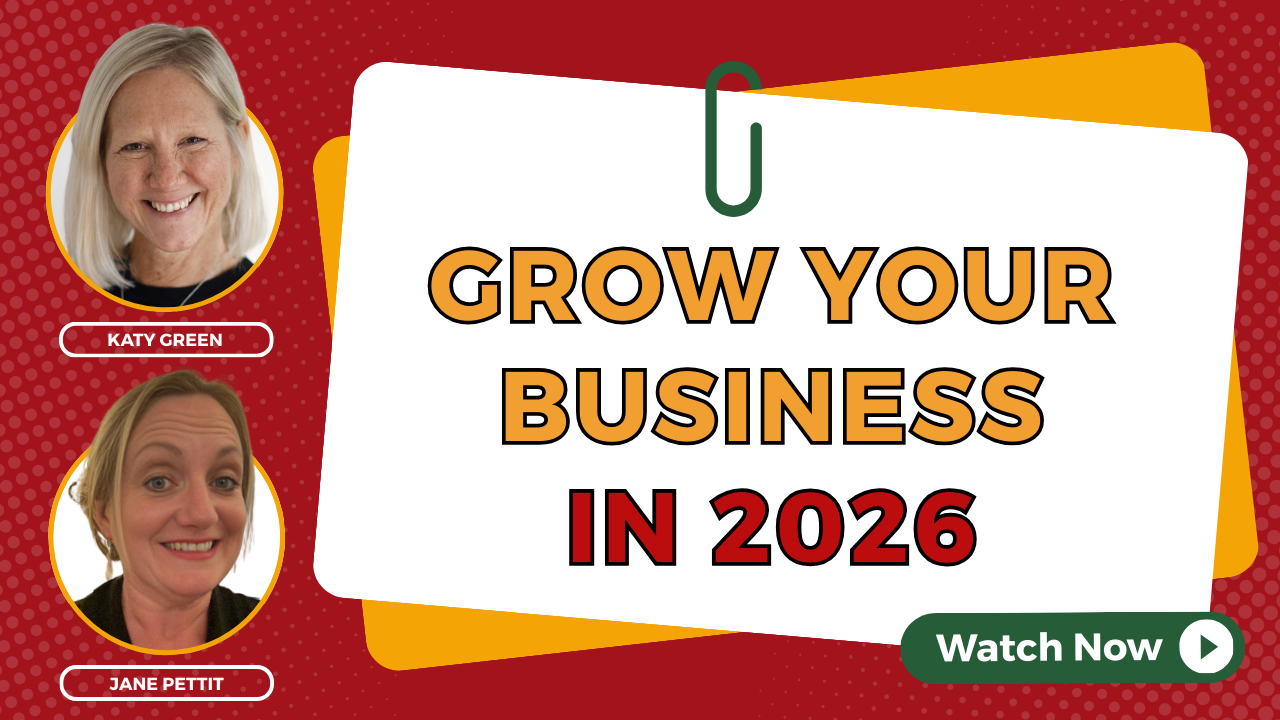
Is your recruitment business stuck in the cycle of feast or famine? Tired of the grind of cold calling 80+ prospects just to land a single vacancy? In this power-packed episode, Jane Pettit reveals why you’re making business development harder than it needs to be… and exactly how to fix it.
Say goodbye to the cold calling burnout that defined recruitment in the Yellow Pages era. Jane shares her proven framework for growing your agency in 2026 through warmer, more effective strategies that won’t leave you exhausted.
Jane gets brutally honest about the psychological and operational barriers that keep recruitment CEOs stuck in reactive mode and provides actionable strategies to overcome each one. From reframing your mindset (“you’re helping, not selling”) to protecting your BD time like a client meeting, this episode is your roadmap to sustainable growth.
The Bottom Line: ABC no longer means “Always Be Closing.” In 2026, it means “Always Be Connecting.” Your network is your goldmine. It’s time to work it strategically.
Ready to build a healthy pipeline and drive your business instead of letting it drive you? This episode is your wake-up call.
▬▬▬▬▬▬▬▬▬▬▬▬▬▬▬▬▬▬▬▬▬▬▬▬▬▬▬▬▬▬▬▬▬▬▬▬▬▬▬▬

▬▬▬▬▬▬▬▬▬▬▬▬▬▬▬▬▬▬▬▬▬▬▬▬▬▬▬▬▬▬▬▬▬▬▬▬▬▬▬▬
WANT TO CHAT IT OUT?
Let’s have a chat to see IF or HOW this can work for your recruitment or executive search business, apply here and give me some details about your business:
CLICK HERE TO APPLY FOR A PROFIT ACCELERATOR SESSION
▬▬▬▬▬▬▬▬▬▬▬▬▬▬▬▬▬▬▬▬▬▬▬▬▬▬▬▬▬▬▬▬▬▬▬▬▬▬▬▬
Expanded Episode Notes
How to Grow Your Recruitment Business in 2026 Without Burning Out
The recruitment industry has always been challenging, but 2025 tested even the most resilient agencies. As we move into 2026, the pressure to win new business remains intense. For most recruitment business owners, the immediate response is predictable: get back on the phones, start cold calling, push the team harder. But what if this entire approach is making growth unnecessarily difficult?
Jane remembers a time when business development meant 80 cold calls per day from a desk phone, working through a Rolodex and Yellow Pages. The maths was brutal: 200 calls to win a single vacancy. While technology has changed the tools, many recruitment agencies still operate with the same cold-outreach mindset, and it’s exhausting them.
The truth is that business development doesn’t have to be this hard. There’s a better way to grow your recruitment business, one that’s warmer, more effective, and far more sustainable.
Why Cold Business Development Is Killing Your Agency
Most recruitment business owners carry a belief that winning new business requires cold, hard work. They imagine themselves or their team members grinding through prospect lists, facing rejection after rejection, all in pursuit of that elusive new client. This mindset creates resistance before they even pick up the phone.
The role of a modern recruiter has expanded significantly beyond what it was a decade or two ago. Recruiters are expected to manage relationships, understand complex hiring needs, navigate multiple technologies, and provide strategic advice. Adding 80 cold calls on top of everything else isn’t just impractical; it’s a recipe for burnout.
The fundamental problem is that most agencies approach business development from the wrong angle. They’re looking outward for completely new contacts when their most powerful source of new business is sitting right in front of them: their existing network.
The Untapped Power of Your Network
Every recruitment professional has a network. Every agency has clients they’ve worked with and candidates they’ve placed. These relationships represent the easiest path to new business, yet most agencies fail to leverage them systematically.
The reason is simple: people only refer when they’re extraordinarily happy. A satisfied client might speak well of you if asked, but they won’t actively promote your services unless you’ve delivered an experience that far exceeded their expectations. Even then, they need to be prompted.
Consider the statistics. Referrals account for approximately 65% of all new business opportunities across industries. More than half of small businesses report that referrals are their top source of new clients. Yet most agencies approach referrals as something that happens organically rather than something to be actively cultivated.
When someone vouches for you, new prospects are far more likely to listen. A referral comes with built-in trust, like being introduced by a mutual friend. Data shows that referrals are up to five times more likely to convert into clients than leads from other channels. For small agencies operating on limited budgets, this return on investment is staggering.
The question isn’t whether referrals work. The question is: how can you use them proactively?
The Italian Restaurant Principle
Jane shares a personal story that perfectly illustrates why great service alone isn’t enough. She recently visited a new Italian restaurant in her village. The experience was excellent. The pizza was delicious (with pineapple, which she firmly believes belongs on pizza). The restaurant was clean and attractive. The staff was wonderful. She left planning to return.
Yet she hasn’t referred anyone to the restaurant. Not because they don’t deserve it, but because nobody has asked her to. Neither her friends nor the restaurant itself.
Now imagine if the restaurant had called her the day after her visit. A quick check-in: “We’re a new restaurant. We’d love to know what you thought of your experience.” She would have shared her positive feedback. Then, if they had asked whether she knew anyone else who might enjoy the restaurant and offered her a discount for bringing friends, something interesting would have happened. She would have thought about who to refer, and she would have followed through.
This is exactly what happens in recruitment. Agencies deliver great service, place quality candidates, and solve hiring problems. Clients and candidates walk away happy. But without a systematic process to capture referrals at the moment of highest satisfaction, those opportunities evaporate.
The solution is to build referral requests into your workflow. After successfully placing a candidate, reach out to both the client and the candidate. Thank them for working with you, ask for feedback, and then ask the simple question: “Do you know anyone else who might benefit from our services?”
This one question, asked consistently at the right moment, can transform your new business pipeline.
Building Consistency Into Your Business Development
Sporadic effort produces sporadic results. This principle applies across business activities, but it’s particularly true for business development. The agencies that grow consistently are those that treat BD as a daily discipline rather than something they do when they have time or when the pipeline runs dry.
The feast-or-famine cycle is familiar to most small recruitment agencies. When business is flowing, everyone focuses on delivery. BD gets pushed aside. Then the pipeline empties, panic sets in, and suddenly everyone is scrambling to generate new opportunities. This creates stress, inconsistent revenue, and burnout.
The remedy is to protect time for business development regardless of how busy you are with delivery work. Even 30 minutes per day, consistently applied, compounds into significant results over time. This isn’t about working longer hours. It’s about treating BD as a non-negotiable part of the business rhythm.
Many successful agencies implement “power hours” where the entire team focuses on outreach simultaneously. This creates energy and accountability. Others assign specific BD activities to specific days, creating predictable patterns that become habitual.
The key is to move BD from the “nice to do” category to the “must do” category. Schedule it like you would schedule a client meeting. Protect that time fiercely. When urgent matters arise, they can be addressed around your BD time, not instead of it.
Overcoming the Psychological Barriers
Business development triggers psychological resistance in many recruitment professionals, even experienced ones. Understanding these barriers is the first step to overcoming them.
Fear of rejection sits at the top of the list. Nobody enjoys being told no, and cold outreach involves frequent rejection. This fear can be paralyzing, leading people to procrastinate or avoid BD altogether. The solution is reframing. You’re not selling; you’re helping. If a prospect doesn’t need your services right now, that’s not rejection. It’s simply a mismatch of timing. By shifting your internal narrative from “I hope they say yes” to “I’m here to help solve problems,” the emotional weight of rejection diminishes.
Comfort zones present another challenge. Delivering on existing work feels safer than pursuing new business. Many recruitment professionals excel at the service side but struggle with the selling side. They convince themselves they’re too busy with delivery to focus on BD, when actually they’re avoiding the discomfort of sales conversations.
Impostor syndrome creeps in too, particularly for smaller agencies competing against larger firms. Thoughts like “Why would they choose us?” or “I’m not sure I can deliver for this size of client” create self-sabotage before the conversation even starts. Remember that clients often prefer working with boutique agencies specifically because of the personal attention and agility they receive.
The practical solution is practice. Like any skill, business development becomes more comfortable with repetition. Start with easier conversations within your network before tackling colder outreach. Build your confidence through small wins.
Tackling Operational Barriers
Psychological barriers aren’t the only obstacles. Operational challenges create real constraints on business development capacity.
Time pressure is the most common complaint. Between filling jobs, chasing references, firefighting issues, and managing staff, BD easily slips down the priority list. The solution requires discipline: treat BD time as an investment in future revenue. Spending 10 to 15% of your week on business development directly impacts your ability to generate income months from now.
If you’re genuinely too swamped to spare this time, that’s a signal you need to hire or outsource. Protecting BD time might mean temporarily doing less of something else, but you need to find solutions for those other tasks.
Jane recalls a day when she avoided BD by doing everything else imaginable. She posted thank you letters, organized her desk, completed admin tasks. All busy work that someone at her level shouldn’t have been doing. This is a common pattern. Business owners get bogged down in admin, writing job ads, scheduling interviews, and updating databases well into the evening. This busy work crowds out high-value activities like sales.
This is where automation and delegation become critical. In 2026, automation isn’t a buzzword; it’s a necessity. Agencies are now using AI to create candidate profiles and format CVs in seconds. Tasks that once took hours can be completed in minutes. Outsourcing administrative work frees capacity for strategic activities.
Consider what tasks you’re doing that someone else could handle at a lower cost per hour. Then systematically remove those tasks from your plate. When Jane hired her first administrator years ago, the impact on her capacity and energy was immediate and profound.
Cash flow creates another less-discussed barrier. When money is tight, the pressure to prioritize immediate revenue over longer-term business development intensifies. You need to work on jobs that will pay soon rather than building relationships that might not convert for months. This creates a difficult balance.
The only solution is to consciously allocate some energy to future pipeline even when you need revenue now. This also means being selective about which opportunities you pursue. Saying no to low-value roles that consume time but don’t move your business forward is difficult but necessary. Otherwise, you guarantee that you’ll repeat the same cycle of feast and famine.
Creating Systems That Actually Work
Hoping for referrals isn’t a strategy. Building a systematic approach to capturing and converting them is.
Start by integrating referral requests into your standard processes. After every successful placement, create a touchpoint with both the client and the candidate. This can be as simple as a phone call or a personalized email. Express gratitude, request feedback, and ask for referrals.
Consider implementing a referral reward program for your team. When a consultant generates new business through their network, recognize and reward that behavior. This creates motivation and models the activity you want to see more of.
Track your referral activity just like you track placements. Measure how many referral conversations happen each week, how many introductions result, and what the conversion rate looks like. What gets measured gets managed.
Beyond referrals, establish habits for other BD activities. Perhaps Monday mornings are for reaching out to dormant clients. Tuesday afternoons for LinkedIn networking. Thursday mornings for attending industry events or making follow-up calls. The specific activities matter less than the consistency of execution.
Document your sales process so it’s repeatable and trainable. What happens when a new lead comes in? How do you qualify them? What’s the sequence of conversations? What materials do you send? When there’s a clear process, business development becomes less random and more predictable.
Practical Steps to Start Today
Knowledge without action accomplishes nothing. Here are specific steps you can take immediately to shift your business development approach.
First, write down three clients or contacts you can reach out to today for a referral. Ask your team to do the same. That one call could open a significant door. Don’t overthink it; just make the ask.
Second, block time on your calendar this week, next week, and the week after that, dedicated solely to business development. Treat these blocks as sacred appointments. If someone tries to schedule over them, decline or offer an alternative time.
Third, identify one operational pain point that’s consuming your time. Maybe it’s CV screening, interview scheduling, or database updates. Research a tool or process that could streamline or eliminate that task. Small efficiency gains compound into significant capacity increases.
Fourth, challenge yourself and your team to a consistency challenge. Pick one BD habit and commit to doing it daily for 30 days. This could be making five outreach calls, sending three LinkedIn messages, or asking one person for a referral. The specific activity matters less than building the muscle of daily execution.
The Advantage of Being Small
Small recruitment agencies often feel disadvantaged when competing against larger firms. In reality, you have significant advantages if you leverage them correctly.
You’re agile. You can make decisions quickly, adapt to client needs, and pivot when market conditions change. Large firms are often bogged down by bureaucracy and committee decisions.
You offer personal service. Clients aren’t just another account number. They know your name, they have your direct contact information, and they can reach you when they need help. This personal touch is increasingly valuable in a world that feels increasingly automated and impersonal.
Clients actively want to work with boutique agencies. They’re looking for partners who genuinely care about their success, who will provide honest advice, and who will treat their hiring needs as priorities rather than just another transaction.
Your network is more willing to help you grow through referrals because they have a personal relationship with you. They want to see you succeed. They just need you to ask and make it easy for them to help.
Always Be Connecting
The old sales mantra “Always Be Closing” has defined business development for generations. But closing implies manipulation, pressure, and a transactional mindset. In modern recruitment, a better approach is “Always Be Connecting.”
Focus on building genuine relationships. When you connect with someone, seek to understand their challenges and needs. Offer value before asking for anything in return. Position yourself as a resource and trusted advisor rather than just another vendor.
This approach requires patience. Not every connection will turn into immediate business. But over time, consistent relationship-building creates a network of people who think of you first when opportunities arise.
Use your knowledge and expertise generously. Share insights about hiring trends, salary benchmarks, or market conditions. Introduce people who could benefit from knowing each other. Be genuinely helpful. This generosity gets noticed and remembered.
When you approach business development as connection rather than selling, it becomes more enjoyable. The conversations feel more natural. The relationships are more authentic. And paradoxically, the business results improve.
Moving Forward
Growing your recruitment business in 2026 doesn’t require returning to the grinding, cold-calling methods of the past. It requires smarter strategies that leverage your existing relationships, build consistent habits, and remove the barriers that prevent you from executing effectively.
Referrals convert better, cost less, and provide higher quality clients. Build systems to capture them. Consistency separates thriving agencies from struggling ones. Protect your BD time like your most important client meeting. Barriers will always exist, but awareness gives you the power to address them systematically.
The recruitment industry needs professionals who can build sustainable businesses without sacrificing their wellbeing. You have the knowledge, the network, and the capability. Now it’s about applying them with intention and consistency.
There’s a particular satisfaction that comes from realizing your pipeline is healthy and you’re driving your business rather than being driven by it. That moment of control and confidence is within reach. It starts with making warmer connections, building better systems, and showing up consistently for the business development activities that will fuel your growth.
Your next client is probably closer than you think. They might be connected to someone you helped last month. They might be waiting for you to reach out and ask how you can serve them. The opportunity is there. The question is whether you’re ready to pursue it systematically and sustainably.