Initial Engagement with Rockit Program
Setting Growth Ambitions
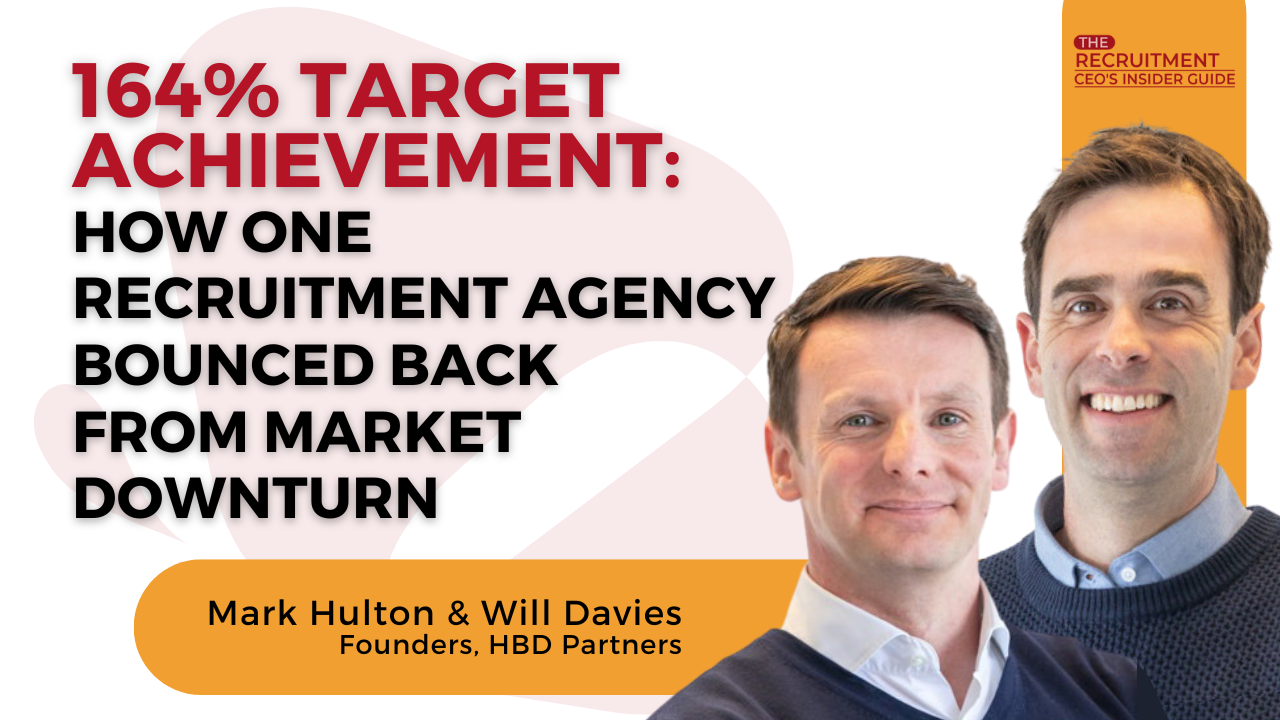
Mark Hulton and Will Davies first joined the Rockit programme in January 2022 with a clear vision for scaling their recruitment business. Their primary focus centred on understanding industry best practices and implementing effective strategies for sustainable growth. Beyond the tactical aspects, they sought meaningful connections with fellow recruitment business owners who shared similar ambitions, recognising the value of peer learning and support networks in their growth journey.
Defining Key Objectives
The partners identified several critical areas for development within their business. Process refinement stood at the forefront of their goals, as they aimed to enhance their existing framework whilst ensuring consistent implementation across their team. Will particularly emphasised the importance of establishing uniformity in their operations, acknowledging that consistency would be crucial for scaling their business effectively.
Remarkable Results
During their initial engagement with the programme, HBD Partners achieved remarkable growth milestones. Mark proudly shared how they doubled both their team size and billing figures, marking a significant transformation in their business operations. This period of expansion even led to securing new office space, demonstrating tangible evidence of their progress. The comprehensive nature of their transformation exceeded their initial expectations, with improvements visible across multiple aspects of their business operations.
Decision to Leave the Program
Perceived Self-Sufficiency
Mark candidly admitted that their decision to leave stemmed from a belief that they had absorbed all the necessary knowledge from the programme. This perception of self-sufficiency emerged after successfully implementing numerous changes within their business. Will reflected on how they had established robust processes and structures, leading them to believe they were well-equipped to continue their growth journey independently.
Pride in Initial Success
The remarkable progress achieved during their time in the programme contributed significantly to their decision to step away. Both Mark and Will felt they had reached a strong position, viewing it as a launch pad to take their business to the next level independently. Mark particularly noted how their thriving business environment may have led them to become less critical in their analysis, acknowledging that when things are going well, there’s often less inclination to scrutinise operations deeply.
Success-Driven Complacency
A fascinating insight emerged as Mark drew parallels between their situation and common human behaviour patterns. When basking in the glow of success, their vigilance naturally decreased. The consistent upward trajectory of their business created a sense of invulnerability, leading them to believe they could maintain their momentum without external support or guidance. This mindset, while understandable in the context of their achievements, would later prove to be premature.
Challenges After Leaving the Program
Market Downturn Impact
Will pointed to a significant market shift as the initial trigger for their challenges post-programme. This downturn exposed vulnerabilities in their business model that hadn’t been apparent during more prosperous times. The changing market conditions created immediate pressure on their operations, forcing them to reassess their strategic approach and highlighting gaps in their business resilience.
Process Implementation Struggles
A critical issue emerged around maintaining consistency in their established processes. Without the programme’s structure and accountability, previously successful systems began to show signs of strain. Will highlighted how particularly their business development processes had been inconsistently applied, leaving them without a robust pipeline when market conditions tightened. The absence of a strong business development machine became increasingly apparent as market challenges intensified.
Team Morale and Implementation Challenges
Mark reflected on how the quieter office environment and declining figures created a challenging atmosphere for the team. Attempting to implement new processes during this downturn proved particularly difficult, as team members showed resistance to change during already stressful times. Will noted that had their business development machine been firmly established during better times, the team would have been more receptive to these processes rather than viewing them as forced responses to declining performance.
Communication Breakdown
Will acknowledged that communication with their team had faltered during this period. The lack of clear, consistent direction became evident as they struggled to maintain their previous momentum. This communication gap amplified their other challenges, making it increasingly difficult to align their team around new initiatives and maintain morale during the market downturn. The absence of structured guidance and support became increasingly apparent as they faced these mounting challenges.
Return to the Program
Value of Support Networks
Mark emphasised the crucial realisation that mentoring and support networks were not optional luxuries but essential components of sustained business success. This understanding led to their return to the programme, acknowledging that turning support on and off wasn’t an effective strategy for long-term growth. The consistency provided by regular mentoring proved invaluable, particularly in maintaining objectivity and fostering creativity in their approach to business challenges.
Mindset Transformation
Will highlighted how returning to the programme immediately impacted their mindset and outlook. The previous feelings of panic and uncertainty transformed into renewed confidence through conversations with other business owners and their coach, Jane. This shift in perspective proved crucial in recognising that solutions existed and clear pathways forward were possible, even during challenging times.
Strategic Realignment
A significant breakthrough came with the recognition that they operated a client-led rather than candidate-led business. Mark described how this fundamental insight helped reshape their strategic focus and operational approach. This clarity enabled them to direct their efforts more effectively, ensuring their activities aligned with their business’s true nature and strengths.
Process Evolution
Will noted how their return facilitated a more focused approach to business management. The programme helped them identify and prioritise what truly mattered for their business growth, moving away from overwhelming complexity to targeted, effective strategies. This renewed focus led to improved team culture and morale as expectations became clearer and more manageable for everyone involved.
Significant Changes After Rejoining
Process Improvements and Fan Club Strategy
After rejoining the programme, HBD Partners implemented a sophisticated fan club messaging system that yielded remarkable results, achieving a 65% engagement rate from their network. Mark emphasised how this systematic approach to network engagement opened up significant opportunities they hadn’t previously tapped into. The implementation of regular Profit Pulse monitoring provided deeper insights into their business performance, allowing them to identify and adjust key profit levers with precision.
Team Development and Training
A standout success came through their investment in team development, particularly through the training academy. Mark shared the impressive achievement of their consultant who reached their annual target by August, despite being new to recruitment when joining the business. This success validated their renewed focus on structured training and development programmes for their team members.
Streamlined Operations
Will described how they significantly refined their operational processes, moving away from overwhelming complexity to focused, effective systems. By reducing the number of processes and metrics they tracked, they created clearer expectations for their team. This streamlining led to improved accountability and better understanding across the organisation of what truly drove business success.
Financial Performance
The impact of these changes became evident in their financial results, with the business achieving 164% of their quarterly target in Q3. This exceptional performance surpassed their expectations and demonstrated the effectiveness of their renewed approach. Mark noted how this achievement seemed unlikely at the start of the quarter, making it particularly significant for the team’s confidence and motivation.
Business Model Innovation
The implementation of their ‘240 model’, moving away from the traditional 360-degree recruitment approach, proved particularly successful. By removing candidate sourcing responsibilities from certain roles, they enabled consultants to focus on their strengths in delivery and account management. This strategic shift contributed significantly to their improved performance and team satisfaction levels.